The internet has given rise to a plethora of romantic storylines and relationships, often referred to as "HTTP girls." These storylines typically involve fictional characters, often depicted through ASCII art or text-based descriptions, and have become a staple of online communities.
The concept of HTTP girls has evolved over time, and romantic storylines have become a significant aspect of these characters. These storylines often involve fictional relationships between HTTP girls, and can range from simple crushes to complex, epic love stories. The storylines are frequently developed and shared by fans, who create and disseminate their own narratives, artwork, and fiction based on the characters. Http www indian sexy girl 3gp com
The world of HTTP girls and romantic storylines is a vibrant and dynamic aspect of online culture. These characters and narratives have captured the hearts of fans worldwide, providing a platform for self-expression, community-building, and emotional exploration. As the internet continues to evolve, it will be interesting to see how HTTP girls and their relationships continue to shape and reflect online culture. The internet has given rise to a plethora
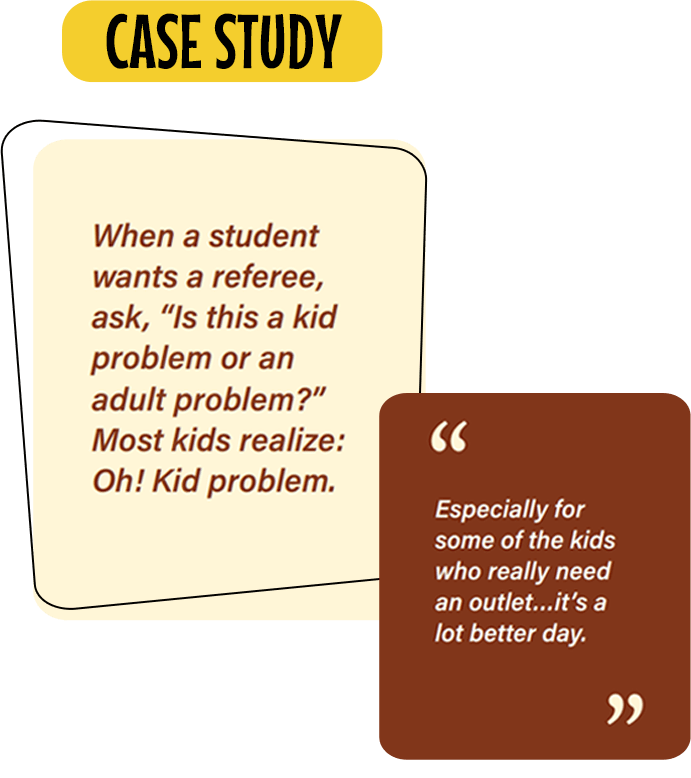
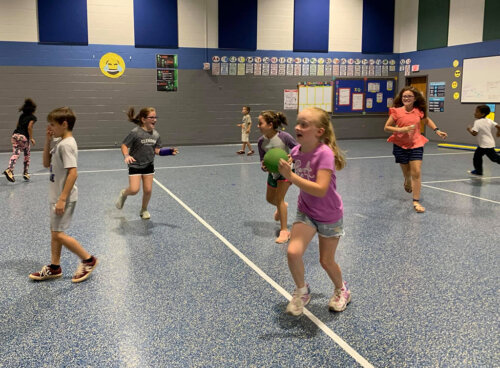
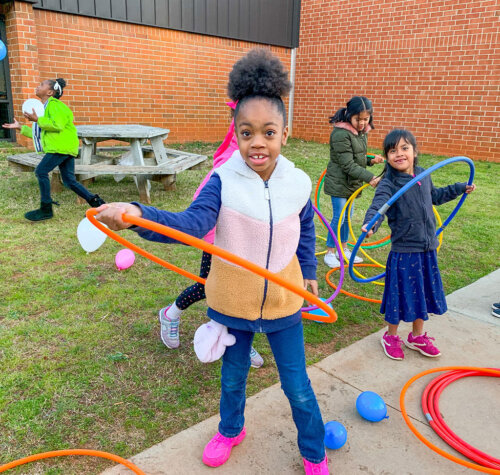
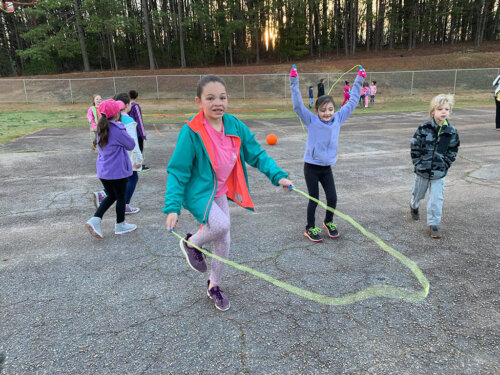
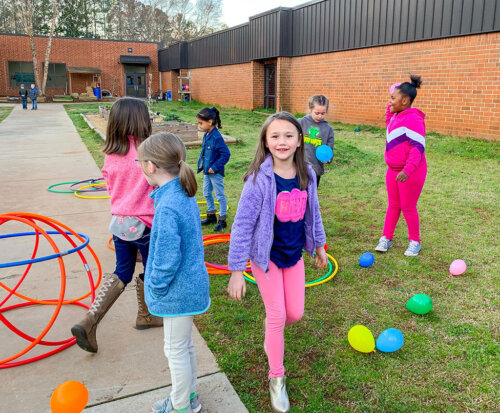
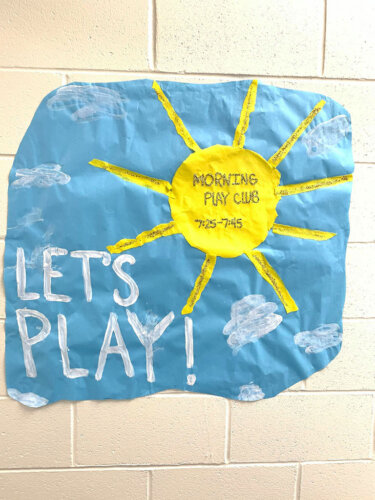
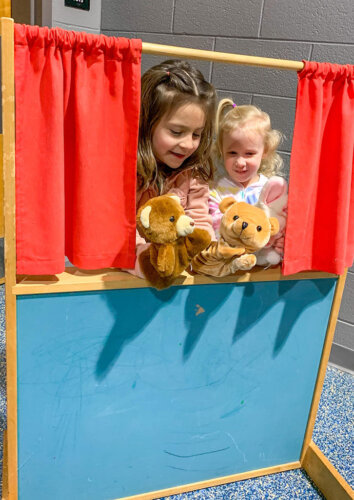
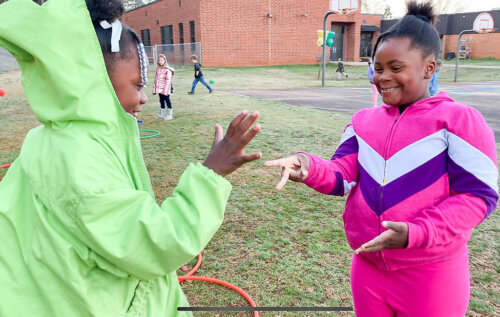
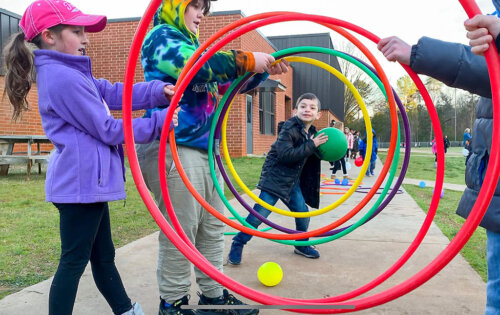
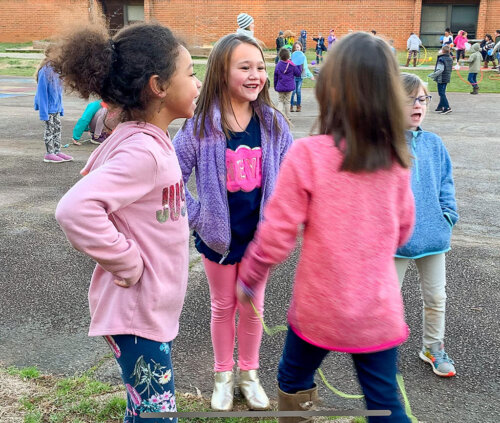
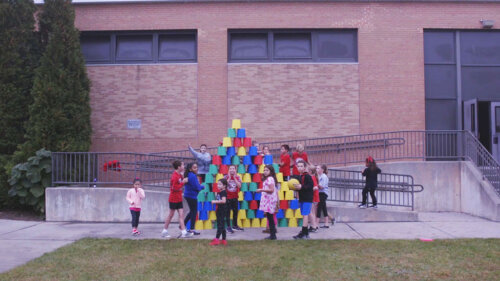
Students at Discovery Ridge Elementary in O’Fallon, Missouri, were tattling and fighting more than they did before COVID and expecting the adults to soothe them. P.E. Teacher Chris Sevier thought free play might help kids become more mature and self regulating. In Play Club students organize their own fun and solve their own conflicts. An adult is present, but only as a “lifeguard.” Chris started a before-school Let Grow Play Club two mornings a week open to all the kids. He had 72 participate, with the K – 2nd graders one morning and the 3rd – 5th graders another.
Play has existed for as long as humans have been on Earth, and it’s not just us that play. Baby animals play…hence hours of videos on the internet of cute panda bears, rhinos, puppies, and almost every animal you can imagine. That play is critical to learning the skills to be a grown-up. So when did being a kids become a full-time job, with little time for “real” play? Our co-founder and play expert, Peter Gray, explains in this video produced by Stand Together.